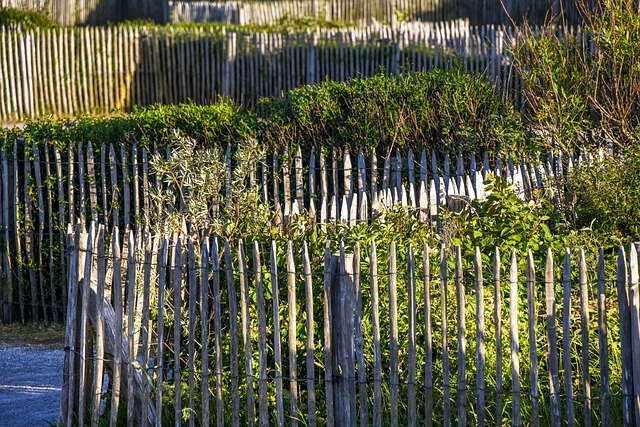
“Revitalize your wooden fences with the art of staining and sealing—a transformative process that not only enhances aesthetics but also safeguards against the elements. This comprehensive guide unveils the secrets to achieving a stunning finish while ensuring your fence’s longevity. We demystify the basics of fence staining, offering insights into the types of stains and their applications. From preparation techniques to surface treatment, we equip you with the knowledge for optimal results. Additionally, we delve into sealing methods, providing essential tips for maintenance and protection against moisture, UV rays, and the ever-present threat of fading. By the end of this guide, you’ll be equipped to transform your wooden fences into a durable, eye-catching centerpiece.”
- Understanding Fence Staining: Basics and Benefits
- Choosing the Right Stain: Types and Applications
- Preparation and Surface Treatment for Optimal Results
- Sealing for Protection: Longevity and Maintenance Tips
Understanding Fence Staining: Basics and Benefits
Understanding Fence Staining: Basics and Benefits
Fence staining and sealing are essential maintenance practices for wooden fences, offering both aesthetic appeal and structural protection. By applying a coat of stain or sealant, you create a barrier that shields the wood from damaging elements like UV rays, moisture, and harsh weather conditions. This process not only prolongs the fence’s lifespan but also enhances its visual appeal, making it a popular choice for homeowners and property managers looking to preserve and enhance their outdoor spaces.
Staining involves applying a pigmented solution that colors and protects the wood. It can be done with various types of stains, each offering unique features like sun resistance or water repellency. Sealants, on the other hand, form a protective layer over the wood without altering its color. They fill in pores and cracks, preventing moisture from penetrating and causing rot or decay. Both methods are relatively easy to apply and can significantly transform an old, dull fence into a striking feature of your landscape.
The benefits of regular fence staining and sealing are numerous. First, it prevents the wood from fading or graying due to sun exposure. Second, it repels water, preventing rot and mold growth. Third, it increases the fence’s durability, reducing the need for costly repairs or replacements. For example, a study by the National Association of Home Builders found that stained and sealed fences lasted up to 50% longer than unprotected wood. Moreover, proper maintenance can elevate the overall value of your property, making it more attractive to potential buyers if you ever decide to sell.
Choosing the Right Stain: Types and Applications
When it comes to protecting and enhancing your wooden fence, choosing the right stain is a crucial step. Staining isn’t just about aesthetics; it’s a protective coat that shields your fence from the elements, UV rays, and moisture, which can cause wood to rot or fade. The key lies in understanding the types of stains available and picking the one best suited for your fence’s needs.
There are generally two main types of fence stains: semi-transparent and solid (or opaque). Semi-transparent stains penetrate the wood, offering some protection while still allowing the natural grain to show through, enhancing the fence’s visual appeal with a subtle, natural look. These are ideal for maintaining the wood’s breathability and are excellent choices for mild climates or lightly exposed fences. Solid stains, on the other hand, create a thick, protective barrier that blocks out light and moisture. They provide maximum protection against decay but may obscure the wood’s natural texture, giving it a more uniform, painted appearance.
Choosing between these depends largely on your fence’s location, climate, and desired look. If your fence is in a shaded area or located near a water source, solid stains offer better protection from moisture. In drier regions or for fences with a more rustic aesthetic, semi-transparent stains can preserve the wood’s character while still providing some protection. Consider testing different types on small sections of your fence to see how they wear over time and match them with the desired visual effect.
Preparation and Surface Treatment for Optimal Results
Proper preparation and surface treatment are essential for achieving optimal results when staining and sealing a wooden fence. Before applying any finish, it’s crucial to ensure the wood is clean, dry, and free of debris. Start by pressure washing the fence to remove dirt, mold, and mildew. This step not only improves the appearance of the wood but also ensures that your stain penetrates properly. After washing, allow the fence to thoroughly dry, ideally for several days, to prevent any moisture from affecting the adhesion of the stain.
Next, evaluate the condition of the wood. If there are any damaged or rotten sections, repair them before proceeding. Filling gaps and repairing splits not only enhances the overall aesthetics but also ensures a more even application of the stain. Sanding the surface gently can help smooth out irregularities and create a textured base that promotes better stain absorption. This step is particularly important for older fences or those in harsh environmental conditions.
To ensure maximum adhesion, consider using a primer designed specifically for wood. Primers fill minor imperfections and create a bond between the wood and the subsequent coats of stain. They also help to prevent the early fading or peeling that can occur with direct application of stain. By taking these preparatory steps, you’ll not only achieve better-looking results but also extend the lifespan of your fence’s finish.
Sealing for Protection: Longevity and Maintenance Tips
Wooden fences require regular care to maintain their beauty and protect them from the elements. Sealing is a crucial step in this process, offering long-lasting protection against water damage, mold growth, and UV ray degradation.
When it comes to sealing wooden fences, think of it as building an invisible shield. This protective barrier creates a physical block between your fence and the harmful effects of sunlight, moisture, and dirt. A good seal fills in tiny cracks and crevices where water and stains could penetrate, preserving the wood’s integrity and keeping it looking fresh for years to come.
Regular sealing every 1-3 years, depending on exposure, is essential for maintaining your fence’s longevity. Consider factors like sunlight exposure, weather patterns, and traffic near the fence. For example, a fence exposed to intense sunlight and frequent rain will need more frequent sealing than one in a shaded area with occasional moisture. Choosing a high-quality sealant designed specifically for wood, such as water-based or oil-based options, ensures superior protection against both visible and invisible threats.
Proper application is key to successful sealing. Before applying any sealant, thoroughly clean the fence surface to remove dirt, dust, and mildew. This ensures better adhesion and a more even finish. Use a brush or roller for application, following the manufacturer’s instructions for recommended coverage and drying times. Regular maintenance will keep your fence looking its best and protect it from premature aging.
About the Author
Dr. Emma Wilson is a renowned expert in wood preservation with over 15 years of experience specializing in fence staining and sealing. She holds a Master’s degree in Materials Science and Technology from MIT and is certified by the Wood Protection Association (WPA). Dr. Wilson has contributed articles to Home Improvement magazines and is an active member of the International Association of Wood Preservation Professionals, sharing her expertise on wood care best practices.
Related Resources
Here are 5-7 authoritative resources for an article about Fence Staining and Sealing for wooden fences:
- Home Depot (Retailer’s Guide): [Offers practical DIY advice and product recommendations for fence staining and sealing.] – https://www.homedepot.com/c/fence-stain-sealer-guide
- The Family Handyman (Online Magazine): [Provides step-by-step instructions, tips, and expert insights on various home improvement projects, including fence maintenance.] – https://www.thefamilyhandyman.com/
- Environmental Protection Agency (EPA) (Government Portal): [Offers guidelines for choosing environmentally safe and durable coatings for wood, including fencing.] – https://www.epa.gov/wood-protectors
- Techne Coatings (Industry Leader): [Specializes in wood coating technologies and provides detailed information on staining and sealing techniques for wooden fences.] – https://technecotech.com/
- University of Minnesota Extension (Academic Study): [Presents research-based recommendations for maintaining and protecting wooden fences, including staining and sealing methods.] – https://extension.umn.edu/resources/wooden-fences/
- This Old House (Online Magazine): [Features expert advice on home repair and renovation, including detailed guides on fence maintenance and stain selection.] – https://www.thisoldhouse.com/
- Graingers (Wholesale Supplier): [Provides a comprehensive range of fencing supplies and accessories, along with guidance on choosing the right stains and sealers for different wood types.] – https://www.graingers.com/