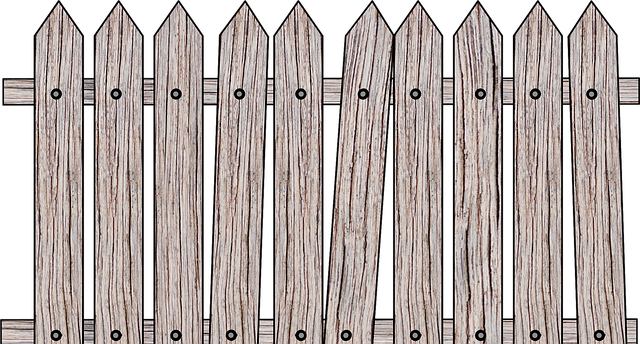
New Bedford residents often seek fence solutions for property boundaries, security, and aesthetic appeal. This comprehensive guide delves into the process of fence repair and installation in New Bedford, MA. From understanding local regulations to choosing materials and styles that align with your vision, we provide valuable insights. Learn about common issues, maintenance practices, and the step-by-step installation process. By following these guidelines, you’ll ensure a durable and visually pleasing fence for your home or business.
- Understanding New Bedford Fence Requirements
- Choosing the Right Fence Style and Material
- Installation Process: Step-by-Step Guide
- Common Repair Issues and Solutions
- Maintenance Tips for Longevity
- Local Regulations and Permits Explained
Understanding New Bedford Fence Requirements
When it comes to fence repair or installation in New Bedford, understanding local requirements is essential. Each town and city has its own building codes and regulations that dictate what types of fences are permitted, their height restrictions, materials used, and installation methods. New Bedford, for instance, may have specific guidelines regarding the aesthetic appeal of fences, historical preservation zones, or safety measures required along property lines.
Property owners should research these local laws before initiating any fence-related project. Failing to comply with New Bedford’s fence regulations can result in fines or the requirement to remove and replace the fence. By familiarizing themselves with the necessary permits, restrictions on design and materials, and safety standards, homeowners can ensure their projects meet all legal requirements and contribute positively to the neighborhood’s overall aesthetics and property values.
Choosing the Right Fence Style and Material
Choosing the right fence style and material is an essential step in any repair or installation project. The first consideration is functionality – what purpose will the fence serve? Is it for privacy, security, or simply to delineate your property line? Each need dictates a different design. For instance, a solid wooden fence offers privacy, while a wrought-iron gate provides a decorative and secure entrance.
Once functionality is established, material selection becomes crucial. Different materials have varying lifespans, maintenance requirements, and aesthetic qualities. Wood, for example, is classic but requires regular painting or staining to protect against the elements. Vinyl is low-maintenance and durable, while metal offers both strength and a wide range of styles from traditional to modern designs.
Installation Process: Step-by-Step Guide
The installation process for a new fence begins with meticulous planning and preparation. First, survey your property to determine the best fence layout and material choice based on your needs and local regulations. Next, clear the area where the fence will be installed, removing any plants or debris that could impede construction. Mark out the fence line using stakes and string to ensure precision.
Dig post holes at the marked locations using a post-hole digger. The holes should be deep enough to accommodate the length of your fence posts. Place a footing or concrete in each hole for stability, ensuring it’s compacted firmly. Set the posts into the holes and secure them with concrete, allowing adequate time for the mixture to cure. Once the concrete is set, attach the rails and panels according to the manufacturer’s instructions, completing the installation process.
Common Repair Issues and Solutions
Fences, despite their sturdy appearance, are susceptible to various issues over time due to weather conditions, wear and tear, and environmental factors. In New Bedford, common fence repair problems include damaged or rotten posts, broken or missing boards, loose pickets, and bent or corroded rails. These issues can often be addressed with simple solutions like replacing individual components, reinforcing weak spots, or retouching the paint job to prevent further deterioration.
For post replacement, removing the old posts and installing new ones is a straightforward process. Treated wooden posts are recommended for longevity. Repairing broken boards involves cutting out damaged sections and installing new ones using proper fasteners. Regular cleaning and sealing can protect against moisture damage, while rust removal and painting can restore metal components to their original condition.
Maintenance Tips for Longevity
Regular maintenance is key to ensuring your new or repaired fence lasts for many years. Start by inspecting your fence regularly, looking for any signs of damage, rot, or weak spots. Addressing small issues early can prevent them from becoming bigger problems later on. Keep an eye out for loose or missing boards, rusted hardware, and any areas where moisture might be seeping in.
Cleaning your fence at least once a year is another important step. Use a soft-bristled brush to remove dirt, debris, and algae buildup. Follow up with a pressure washer if needed, but be mindful of high-pressure settings that could damage the fence’s surface or surrounding landscaping. After cleaning, apply a fresh coat of paint or sealant to protect the wood, metal, or vinyl from the elements and prolong its life.
Local Regulations and Permits Explained
Before starting any fence repair or installation project in New Bedford, it’s crucial to understand local regulations and permit requirements. The City of New Bedford has specific guidelines regarding property improvements, including fencing. These rules are designed to maintain the aesthetic and structural integrity of the city while ensuring safety and property values.
Permits are typically needed for any construction work that alters a structure or property line. This includes fence installation, especially when the fence is taller than a certain height or located in specific areas. Residents should consult with the local building department to understand what types of projects require permits. Failure to obtain the necessary permits can result in project delays, fines, or even structural issues down the line.