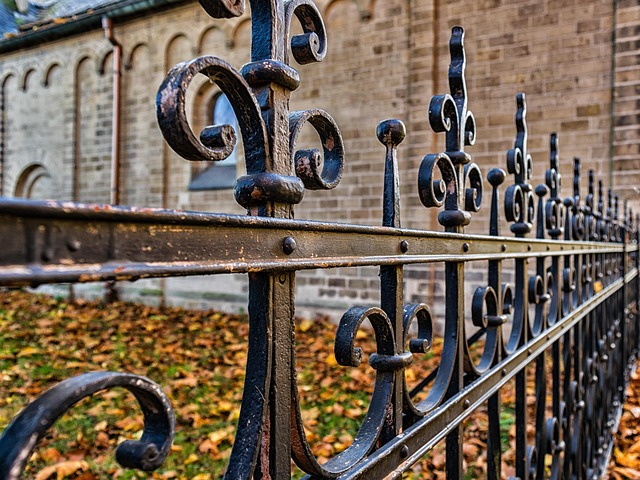
In the heart of New Bedford, Massachusetts, a green revolution is taking root, led by eco-friendly fencing materials that offer both aesthetic appeal and environmental benefits. This article explores the diverse options available to residents and businesses, highlighting the advantages of sustainable fencing from enhanced local ecosystems to long-lasting natural materials. We delve into community engagement with these initiatives and look ahead at emerging trends shaping New Bedford’s green landscape.
- Eco-Friendly Fencing Options in New Bedford
- Benefits of Sustainable Fencing Materials
- Natural Materials for Long-Lasting Fences
- How Green Fences Enhance Local Ecosystems
- Community Engagement with Eco-Fencing Initiatives
- Future Trends in New Bedford's Eco-Fencing
Eco-Friendly Fencing Options in New Bedford
New Bedford residents now have access to an array of eco-friendly fencing options, aligning with the city’s commitment to sustainability. These materials offer a modern alternative to traditional fencing, boasting benefits that extend beyond aesthetics. One popular choice is recycled plastic fencing, made from post-consumer waste like plastic bottles and bags. This durable option requires minimal maintenance and is resistant to rot, rust, and fading, ensuring long-lasting beauty and performance.
Another sustainable option is natural wood fencing, specifically treated with eco-approved preservatives. These woods are sourced responsibly, often from local forests, reducing the carbon footprint associated with transportation. Treated correctly, these wooden fences can last for decades while providing a classic, organic look that complements any landscape design in New Bedford.
Benefits of Sustainable Fencing Materials
In an era where environmental consciousness is paramount, opting for sustainable fencing materials offers a multitude of benefits for both homeowners and the local ecosystem in New Bedford, MA. These eco-friendly alternatives not only contribute to a greener planet but also provide enhanced aesthetic appeal and durability. Made from renewable resources like bamboo, recycled plastic, or organic composites, these materials reduce the carbon footprint associated with traditional fencing options that often rely on non-sustainable wood or metal production methods.
Moreover, sustainable fencing materials are designed to be long-lasting, reducing the need for frequent replacements, which in turn minimizes waste. They are also resistant to rot, decay, and pest damage, ensuring a robust barrier that requires less maintenance over time. This longevity translates into cost savings for homeowners while promoting a more harmonious relationship between human habitats and nature, making New Bedford’s landscapes both beautiful and environmentally responsible.
Natural Materials for Long-Lasting Fences
In New Bedford, MA, opting for natural materials when installing or replacing fences offers a sustainable and aesthetically pleasing alternative to traditional options. Materials like wood, bamboo, and hemp are not only eco-friendly but also known for their durability. For instance, cedar wood, native to the region, is renowned for its resistance to rot and insects, ensuring your fence remains robust for years with minimal maintenance.
These natural materials provide long-lasting solutions without contributing to environmental degradation. They offer excellent insulation, reducing temperature extremes on either side of the fence. Additionally, their organic beauty enhances outdoor spaces, creating harmonious environments that blend seamlessly with surrounding landscapes.
How Green Fences Enhance Local Ecosystems
Green fences, made from eco-friendly materials like bamboo, recycled plastic, or natural fibers, play a vital role in enhancing local ecosystems. These fences offer a sustainable alternative to traditional options, providing numerous environmental benefits. By using renewable resources, green fences reduce the carbon footprint associated with manufacturing and transportation, contributing to a healthier planet.
Moreover, they support biodiversity by creating habitats for various plant and animal species. The natural design of these fences encourages the growth of native vegetation, fostering a more balanced ecosystem. Additionally, they help in preventing soil erosion, preserving the integrity of local waterways, and promoting water quality. This, in turn, benefits the entire community by ensuring cleaner air, water, and a thriving natural environment.
Community Engagement with Eco-Fencing Initiatives
Community engagement is a vital aspect of successful eco-friendly fencing initiatives in New Bedford, MA. By involving local residents, businesses, and organizations, these projects can gain momentum and foster a sense of collective responsibility for the environment. Educational workshops and informational sessions can help raise awareness about the benefits of eco-fencing, such as reduced carbon footprint, habitat preservation, and improved water quality.
Active community participation also ensures that fencing designs and materials are tailored to meet local needs and preferences. This collaboration can lead to more aesthetically pleasing and functional fences that enhance the overall look and feel of neighborhoods. Furthermore, community engagement strengthens the long-term sustainability of eco-fencing projects by creating a network of supporters who are invested in the success and longevity of these initiatives.
Future Trends in New Bedford's Eco-Fencing
As New Bedford, MA continues to embrace sustainable living, future trends in eco-friendly fencing materials are expected to gain momentum. Innovations such as recycled plastic and wood composites, bamboo, and plant-based bioplastics will likely become more prevalent due to their durability and reduced environmental impact. These materials not only contribute to a greener cityscape but also offer aesthetically pleasing options that blend seamlessly with natural landscapes.
Local initiatives promoting community green spaces and urban farming could further drive the adoption of eco-fencing. Advanced technologies like smart fencing systems, equipped with sensors for monitoring plant health and pest control, might also find their way into New Bedford’s residential and commercial areas. These future trends promise not only to enhance the city’s ecological footprint but also to create vibrant, sustainable environments that enrich the lives of its residents.